Most recycling programs won’t take expanded polystyrene (EPS) foam, even though it’s technically recyclable. For facilities that deal with a lot of packaging waste, that creates a real problem: it takes up space, can’t go in the recycling bin, and often ends up in the landfill. This guide explains how EPS recycling actually works at […]
Styrofoam Recycling:
Sustainable, Profitable, Smart
Do you need a Densifier to process styrofoam for profit?
Call for a free site evaluation survey!
We just crossed 3.5 Million pounds of EPS diverted from the landfill and recycled for repurposing
EPS Densifier Machines and EPS Buy-Back Program
Expanded polystyrene (EPS) is a low-density material that can take up a lot of room in your warehouse. It can overload dumpsters, crowd staging areas, and increase hauling frequency. StyroSolutions helps you process EPS on-site into dense blocks and provides buy-back pricing for eligible processed material.
Get Started
Buy-back quote: Send photos and an estimated monthly volume for a pricing review.
Free site evaluation: Confirm the right EPS densifier approach and handling workflow for your operation.
our clients



About StyroSolutions
StyroSolutions helps organizations manage expanded polystyrene (EPS) more efficiently, keeping it out of mixed waste streams and simplifying material flow within facilities. Our model is straightforward: we supply expanded polystyrene recycling equipment and purchase eligible densified EPS through a structured buy-back program.
We start by identifying the type of foam you generate, how much you generate, where it’s handled, and where it can be staged. From there, our team helps you choose the right densification approach, set handling rules to keep EPS clean and separated, and determine if you qualify for the buy-back program. With over 25 years of environmental experience, we focus on follow-through to ensure the equipment and workflow integrate smoothly into your daily operations.
Services: EPS Buy-Back Program and On-Site EPS Densification
If you are already densifying EPS, StyroSolutions can purchase your processed foam. To be eligible for our buy-back program, material must be clean, dry, and separated. Buy-back pricing depends on grade, cleanliness, compaction level, and volume consistency. When EPS meets buy-back requirements, you can sell your densified material instead of paying to dispose of it.
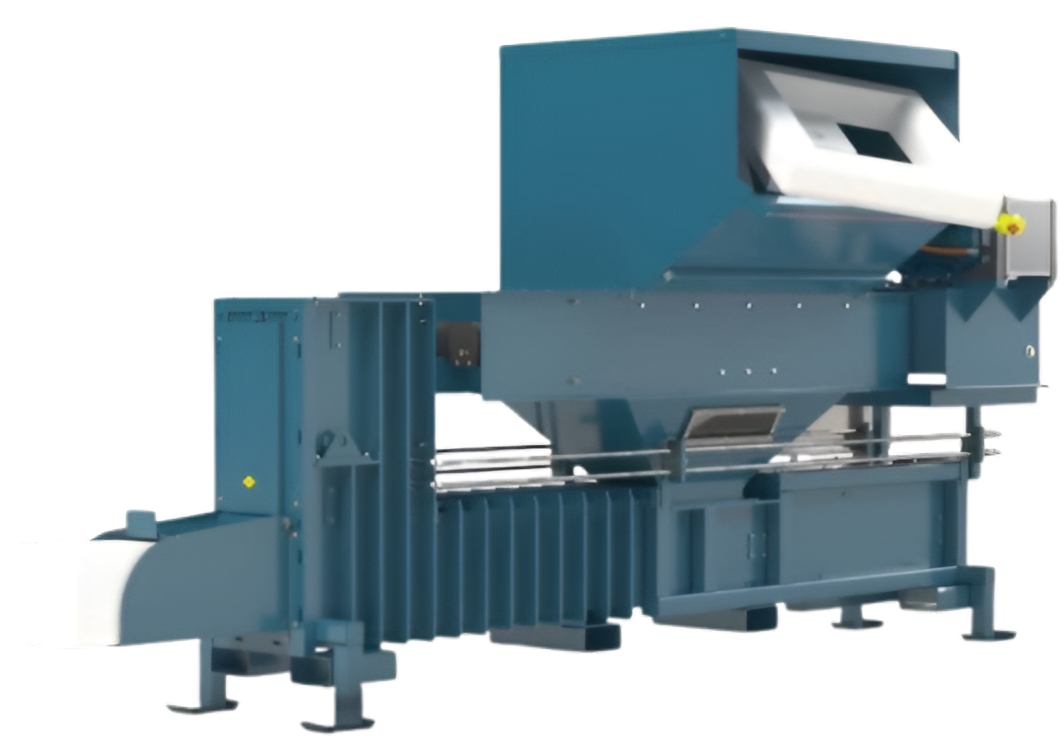
EPS densifiers compress loose foam into dense, shippable output. Thermal densifiers are available in various sizes to suit processing volumes ranging from moderate foam generators to high-volume operations. Selecting the right size matters because it affects labor time, staging requirements, and the consistency of your densified EPS blocks.
A site evaluation assesses how EPS enters the facility, where it can be staged, and the handling steps needed to maintain buy-back condition. It also aligns equipment selection with real constraints, such as space, staffing, utilities, and how often material must move.
Buy-back eligibility depends on how EPS is collected and protected. We provide guidance on sorting, staging, and preparing densified EPS blocks for shipment so the material stays eligible for buy-back.
Technical Resources & Industry News
Access technical data, material comparison guides, and the latest updates from the global styrenics market to keep your business moving forward.
EPS Recycling Standards: What Clean, Dry, and Separated Really Means
You’ve sorted a pallet of EPS foam, sealed it, and shipped it out, only to get a call saying the load was rejected or downgraded. Or you’ve followed the basic instructions and still ended up with material that doesn’t meet spec. The difference comes down to how the foam is handled before it leaves your […]
Styrofoam Densifiers: Cost, Benefits, and When They’re Worth It
Foam waste takes up space fast, and disposal costs add up just as quickly. When that starts becoming a regular issue, a styrofoam densifier usually comes into the conversation, and the real question is whether it will actually save your facility money. A densifier changes how you handle EPS by reducing volume, cutting hauling costs, […]
EPS Densifiers for Foam Volume Reduction
On-site densification converts loose EPS into dense blocks that are practical to store and ship. For many facilities, an EPS densifier also serves as a styrofoam recycling machine, reducing foam volume and producing a processed form that downstream buyers can handle.
Thermal EPS Densifiers (Heat-activated)
XT70 EPS Densifier (Up to 50 lbs/hour)
A compact option for smaller footprints and lower daily volumes.
XT-300D EPS Densifier (About 250 lbs/hour)
Often used for packaging foam, appliance and furniture foam, and similar EPS streams.
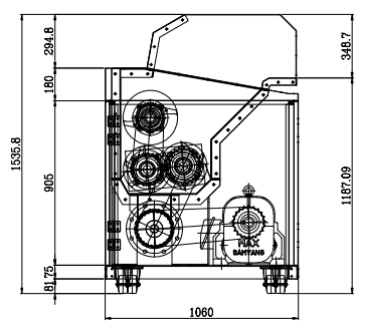
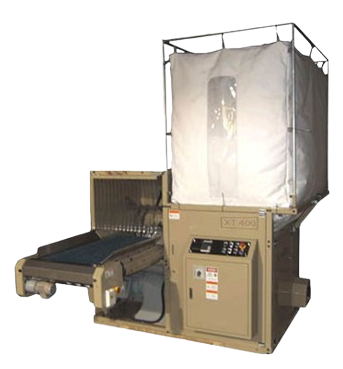
XT400 EPS Densifier (About 400 lbs/hour)
Designed for mid-size to larger foam volumes.
XT500 EPS Densifier (About 500 lbs/hour)
It can be configured with conveyor feeding for faster loading.
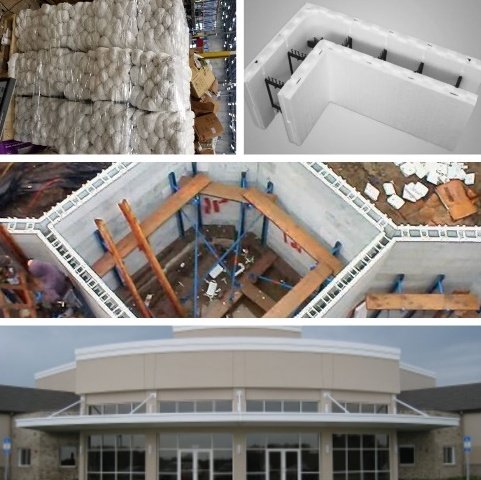
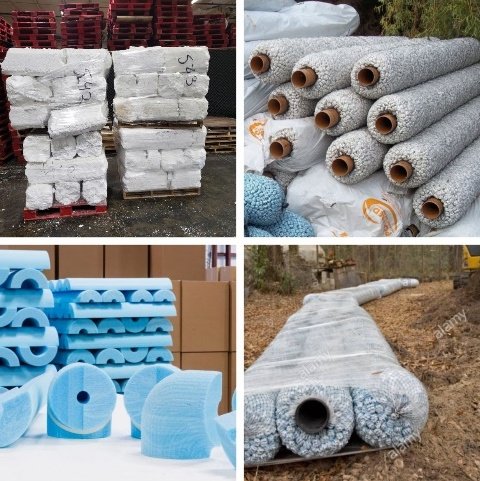
Where Recycled Styrofoam is Used
Why Choose StyroSolutions for EPS Foam Recycling?
On-site densification converts loose EPS into dense blocks that are practical to store and ship. For many facilities, an EPS densifier also serves as a styrofoam recycling machine, reducing foam volume and producing a processed form that downstream buyers can handle.
Support beyond equipment selection
Choosing the right machine is only part of the process. The entire setup must work for the people running it. We provide clear staging and handling guidance to keep materials clean and separated, making the process easier to manage
Clear buy-back requirements
Our buy-back program page outlines what qualifies, what does not, and how pricing is affected. By following these standards, teams can create internal handling rules to protect material value and reduce the number of rejected loads.
Capacity options that match real volume
We supply thermal EPS recycling machines in a range of processing capacities. Matching throughput to your foam volume improves output consistency and reduces blockages.
Experience and follow-through
Backed by over 25 years of environmental experience, we approach EPS recycling with proper installation, reliable service, and long-term support.
How Does EPS Densification and Buy-Back Work?
Step 1: Keep EPS clean and separated
EPS must remain clean, dry, and separated from other waste so it can be evaluated and priced.
Step 2: Share stream details for review
Provide foam type, photos, and an estimated volume. This information supports accurate equipment selection and realistic handling planning.
Step 3: Densify EPS on-site
Select the densification approach that fits your operation to compress loose foam into dense, consistent output.
Step 4: Stage densified EPS blocks for shipment
Uniform blocks and predictable volume make loading and scheduling easier. At this stage, proper handling directly impacts results.
Step 5: Receive buy-back pricing and sell eligible processed EPS
Pricing is based on grade, cleanliness, compaction level, and volume consistency. Once confirmed, densified EPS can move into the next stage of the recycling process.
Styrofoam
100% Recyclable
Not many people know that styrofoam is 100% recyclable. Clean material can be reused in the manufacturing process of new products in the market. Any slightly contaminated material can be compacted and turned into recycled rigid plastic products.

98% Air
Expanded polystyrene (EPS) foam, commonly known as styrofoam, is the lightweight material used in packaging electronic devices, food items and electric appliances are popularly used because of their water and heat resistant properties.

ODP of Zero
Styrofoam has an Ozone Depletion Potential (ODP) of zero and causes no damage to the ozone layer because no CFCs or HCFCs are used during the manufacturing process. Styrofoam is inert, does not leach any chemicals, and is completely food contact safe.

Why Should You Recycle EPS Foam?
EPS foam is mostly air by volume, which makes storage and hauling inefficient. The densification process reduces the volume and converts loose foam into a processed form that can be stacked and shipped.
Densified EPS foam blocks are eligible for our buy-back program when they meet the required quality standards. With basic procedures in place, EPS handling becomes more predictable through collection, densification, staging, and shipping.
What Happens After You Sell Densified EPS?
After densified EPS is purchased through our EPS buy-back program, it can be processed into raw material for manufacturing. Clean, consistent processed EPS is easier to ship and is more reliable as a feedstock.
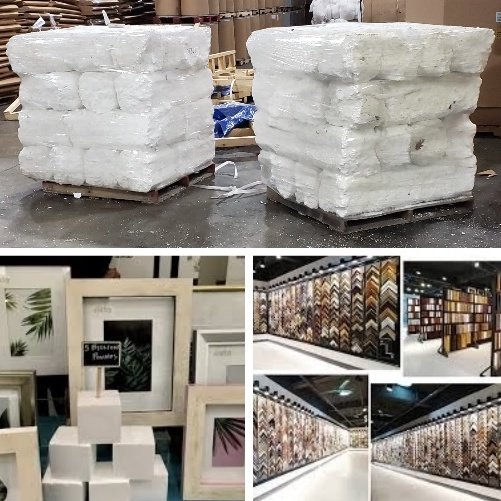
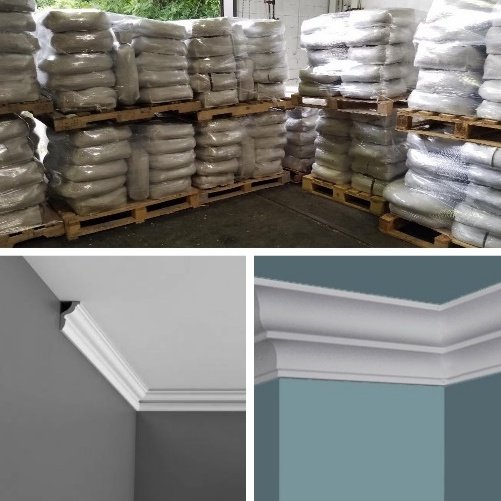
Recycled EPS can be used in products such as picture frames and decorative moldings, as well as in insulation products, including blocks and pipe insulation.
Consistency is a necessity. Clean, dry, separated EPS, densified into uniform blocks, is easier to handle, ship, and process.

Who Do We Help?
Businesses That Generate Expanded Polystyrene (EPS)
StyroSolutions supports organizations that generate significant EPS volumes with on-site densification and clear quality standards, including clean, dry, separated foam. If loose EPS is causing frequent hauls, overflow issues, or excessive storage use, our EPS recycling machine and buy-back program offer a long-term solution to control loose EPS.
We help organizations recycle production scraps and packaging foam while maintaining consistent handling practices that protect eligibility and improve resale value.
Expanded polystyrene recycling frees up floor space by condensing inbound packaging foam and supporting predictable staging and shipping.
Our EPS foam densifiers are suitable for insulation offcuts and similar EPS streams when the material is kept separate and protected from weather and contamination.
These sites benefit from our EPS recycling machine because they receive steady deliveries, enabling a consistent collection and densification routine.